Contact us by email here
24-hour reception / Answer: Weekdays 9:00AM - 5:00PM
Contact us by email here
24-hour reception / Answer: Weekdays 9:00AM - 5:00PM
Welfare equipment development project column
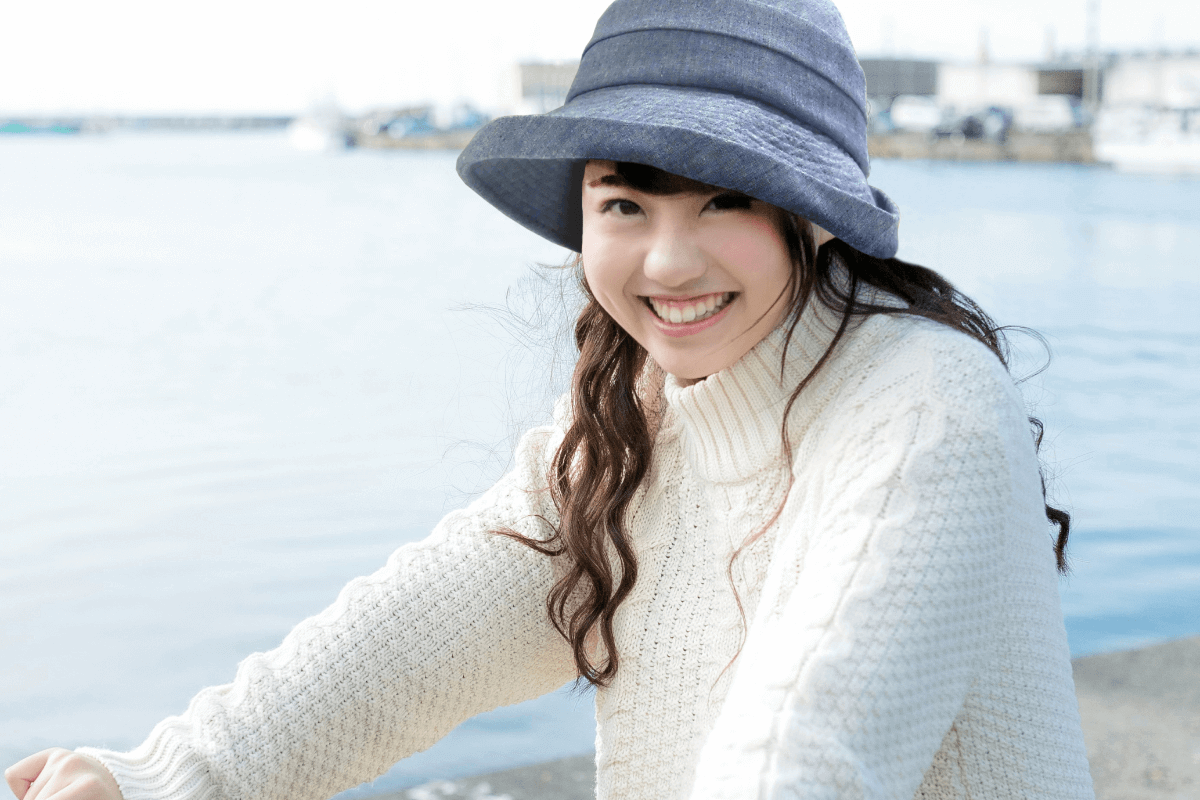
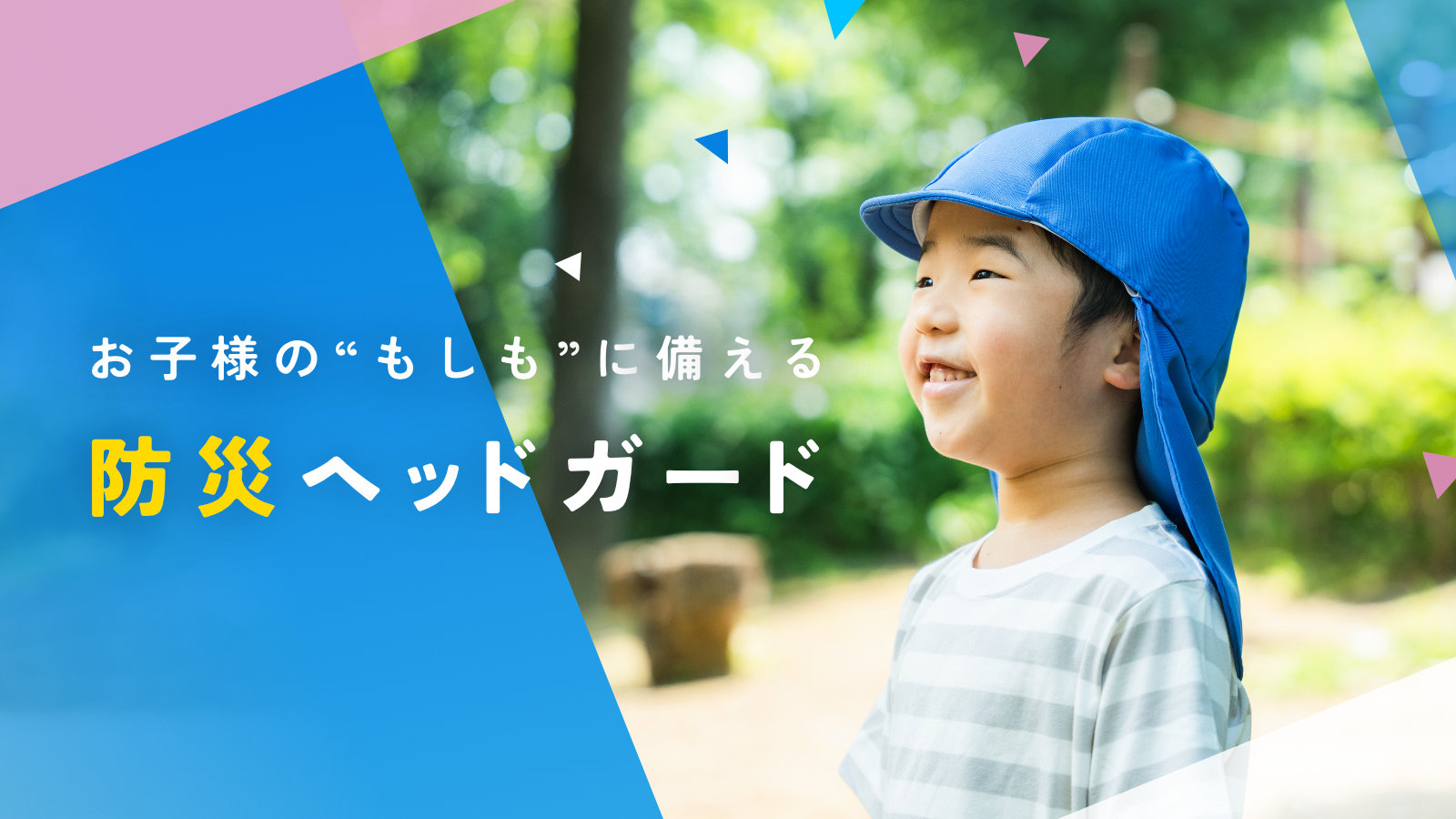
HOME / List of columns on welfare equipment development projects / Head Guard Fit 5 Tips for Getting Children Who Dislike Wearing Safety Helmets | How to Deal with When They Won't Wear Them
Head Guard Fit
Although protective helmets were considered to prevent head injuries from falls or epileptic seizures,
"Even if I put it on, they take it off immediately."
"They get upset and cry."
"Even though I understand it's for safety reasons, I feel hesitant to force it on someone."
Many parents are troubled by this.
While safety is important, forcing a child to wear a helmet can cause them stress.
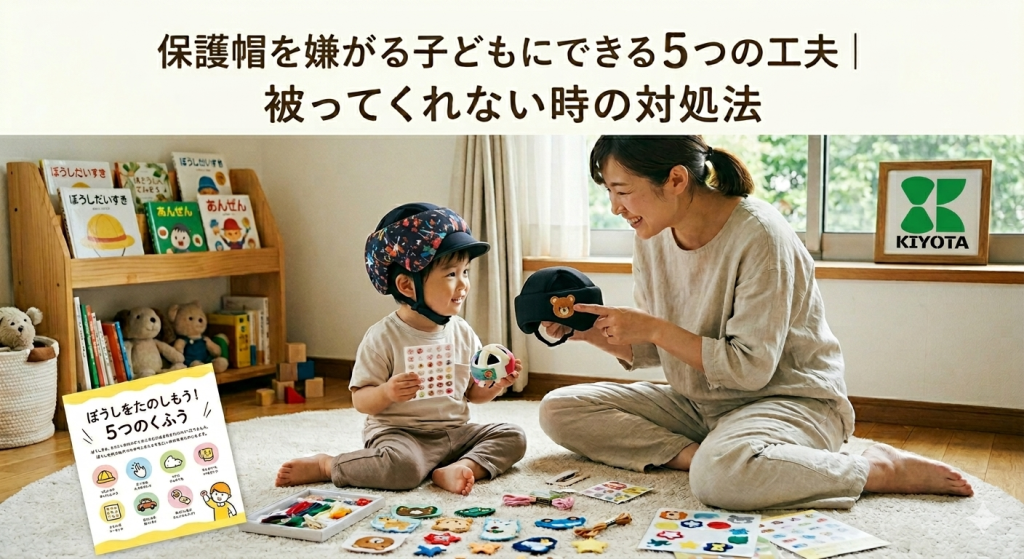
This article will discuss the reasons why children dislike wearing protective helmets and offer some tips for gradually getting them used to them.
Reason ①
I don't like the feeling of my head being squeezed.
Reason ②
I have sensory hypersensitivity.
Reason ③
I feel uneasy about my unusual appearance.
Reason ④
Hot, heavy
Reason 5
I perceive protective helmets as something unpleasant.
① Start with short periods of time.
It can feel very strange to suddenly start wearing something you've never used before all the time. So, let's start with short periods of time and gradually get used to it.
5 minutes→10minutes→15Take your time and gradually get used to it.
② Wear it during fun times
Associating the experience with activities like watching your favorite videos, playing your favorite games, or going for a walk can help gradually alleviate any initial discomfort.
③ The surroundings are in contact with nature.
Instead of saying, "It's dangerous to fall, so let's wear a safety helmet!", encourage them to wear it naturally by saying something like, "Let's wear this when we go out." It will also help them feel more secure if the parents wear the hat themselves and say something like, "See, we're wearing the same thing!"
④ Let the person choose their own protective helmet.
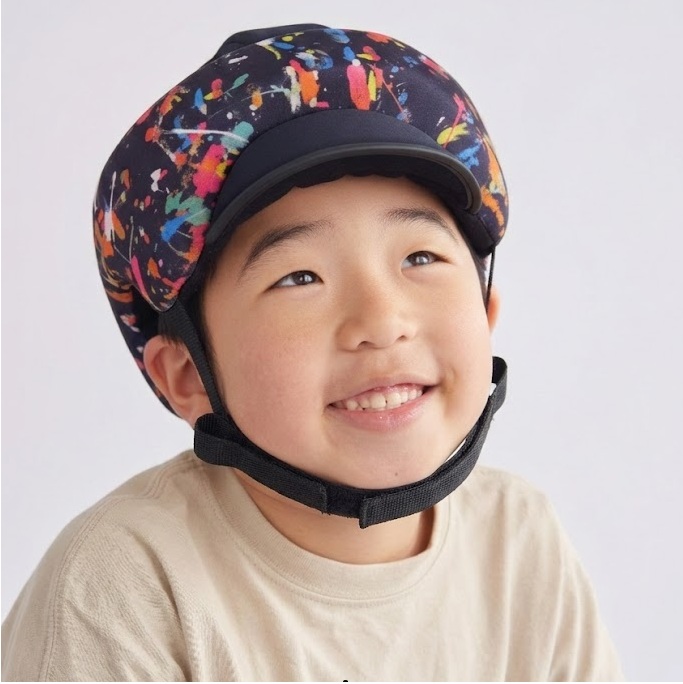
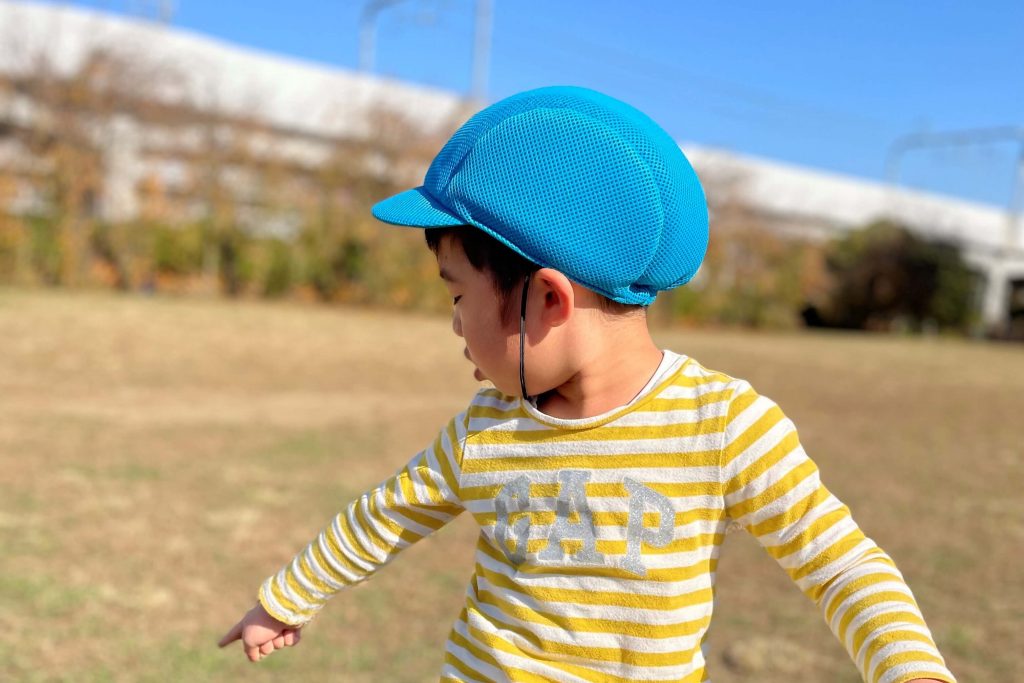
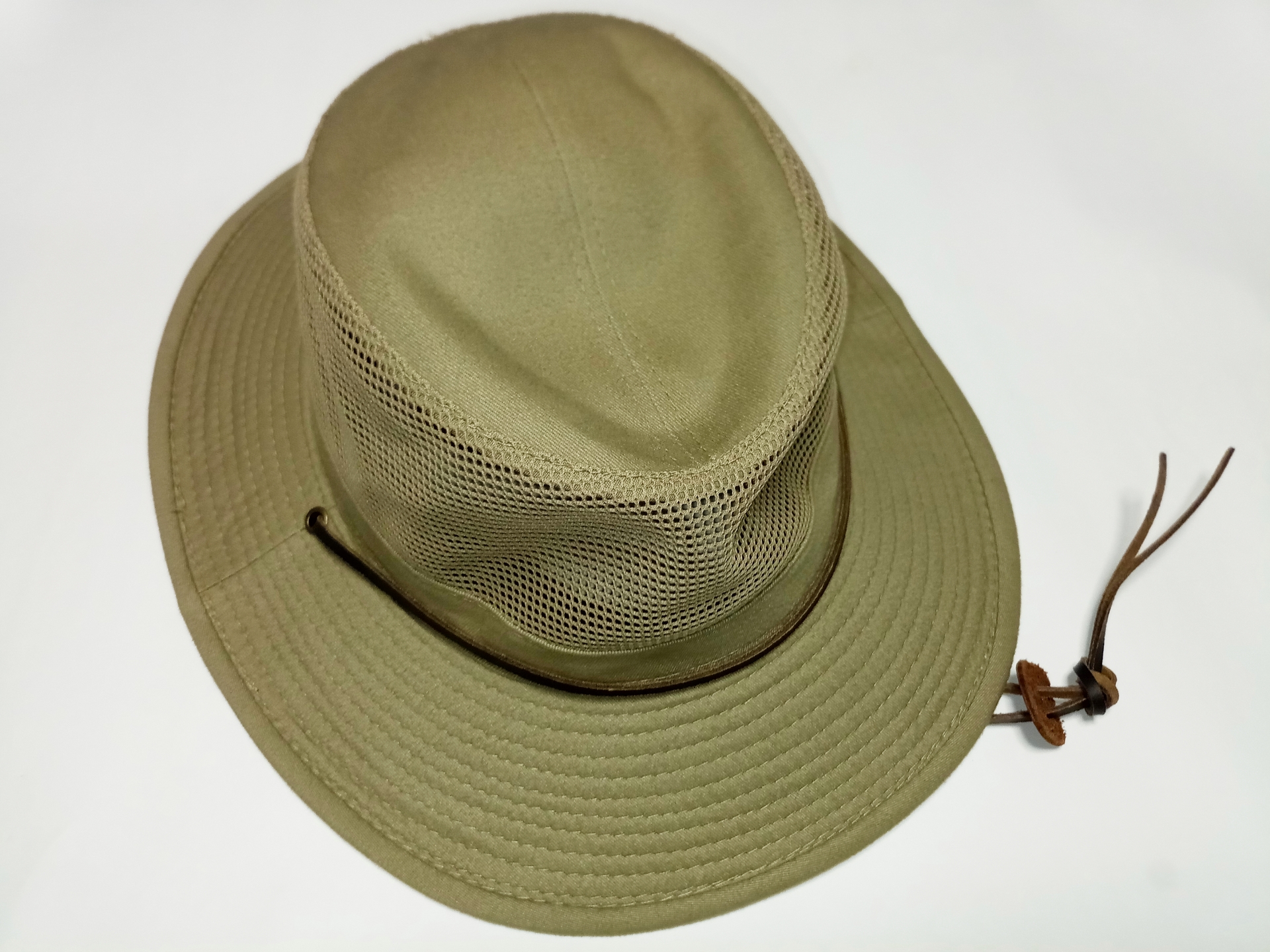
Giving children options in terms of color, pattern, and design, allowing them to choose what they like, is one way to reduce their reluctance to wear a hat. Even just adding a brim can make it look more like a regular hat, which can reduce their resistance.
⑤ If they manage to wear it even a little, praise them a lot.
If they can wear it for even 5 minutes, praise them with phrases like "That's amazing!" or "That looks cool!" When wearing it becomes a positive experience, their resistance will gradually decrease.
Parents often don't notice it, but especially during school age,
"Why are you the only one wearing a hat?"
"I'm embarrassed to be different from my friends."
I sometimes feel that way.
Beyond functionality, a design that encourages the wearer to adopt it positively is also a crucial factor for continued use.
Headguard Fit Series
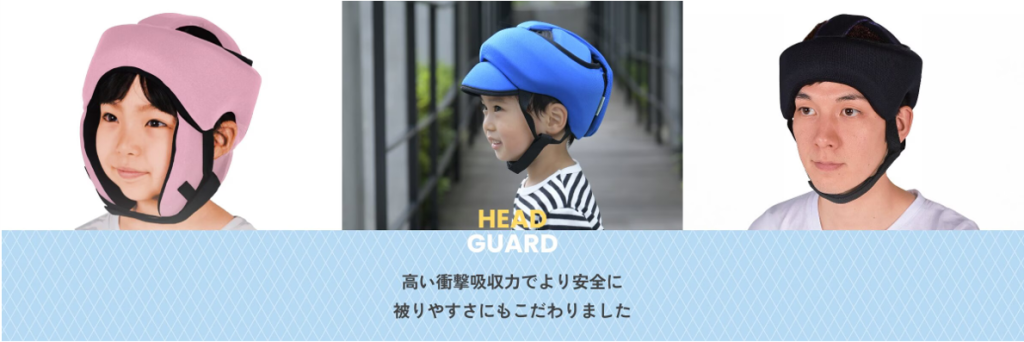 For more information and to purchase click here
Kids' Outing Headguard Series
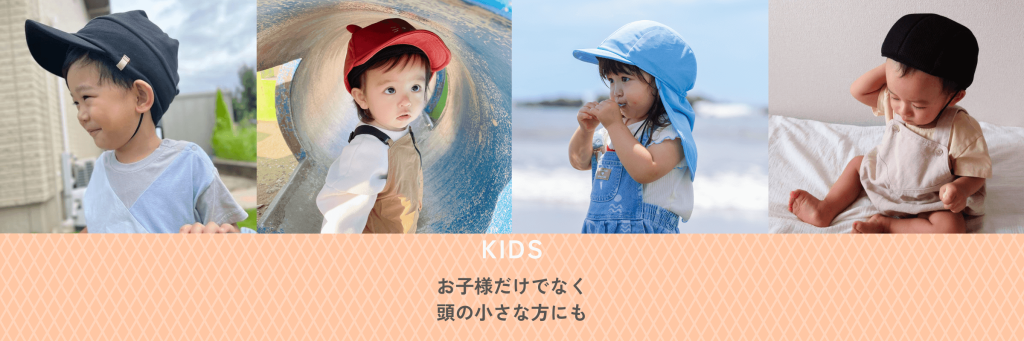
Recently, headguards have emerged that focus not only on protecting the head but also on the enjoyment of wearing them.
For example, there are head guards that incorporate designs based on artwork created by artists with disabilities.
Its design doesn't immediately suggest it's a protective helmet, making it easy to incorporate into outings, daycare, or school.
"Something worn for protection"from"I want to wear it because I like it."fart.
Such an idea might encourage your child to be more willing to wear it.
Design headguard
* There's a reason why they don't like it.
* Forcing someone to do something is counterproductive.
* It's important to get used to it little by little.
* Design and appearance are also important factors.
A child's refusal to wear a protective helmet doesn't necessarily mean they're being spoiled. It's not uncommon for children to dislike protective helmets, and there can be various reasons for this, such as discomfort or aversion to their appearance.
The important thing is not to force it on, but to let your child get used to it little by little at their own pace.
When choosing a protective helmet for your child, it's important not only that it's safe, but also that they can wear it comfortably for extended periods.
If you're having trouble choosing a protective helmet, we hope this will be helpful in finding a product that's right for your child.
Purchase here ⇒[Official Online Shop]KIYOTA ONLINE SHOP
For inquiries, please click here⇒Contact form
Purchases and inquiries can also be made by phone.
TEL: 03-3798-3617 Reception hours: 9:00-17:00 (excluding weekends and holidays)

Useful Content
Head Guard for Outings
Useful Content
Useful Content

Useful Content
Useful Content
Head Guard for Outings
-8-scaled-e1747642875820-1024x786.jpeg)
Head Guard for Outings
Useful Content
Useful Content